By

Many food enthusiasts dream of tasting authentic dishes from around the globe, but recreating these culinary delights at home feels daunting. With the right techniques and ingredients, anyone can bring a taste of international cuisine into their kitchen. This blog post will explore how to effectively replicate these famous recipes, providing tips on sourcing ingredients and mastering essential cooking methods.
Each region has its own unique flavours and traditions that influence its cuisine. By understanding the history and cultural significance behind each dish, it becomes easier to appreciate and recreate them. This exploration not only enhances cooking skills but also offers a deeper connection to global cultures through food.
To embark on this culinary journey, one must be willing to experiment and embrace the kitchen as a space for creativity. Armed with the right knowledge and resources, anyone can take classic dishes from far-off lands and transform them into their own culinary masterpieces.
Understanding the Foundations of World-Famous Dishes
Famous dishes from various regions have unique characteristics shaped by their cultural backgrounds. This section highlights distinctive cuisines, essential flavour profiles, and cooking techniques that allow these dishes to shine.
Exploring Global Cuisines
Diverse culinary traditions flourish across the globe, with each cuisine offering distinct tastes and styles. For instance, Italian cuisine is renowned for its use of fresh herbs, olive oil, and regional ingredients like tomatoes and pasta. Indian cuisine features bold spices such as cumin and coriander, creating vibrant flavour combinations in dishes like curry.
Mexican cuisine combines spices with fresh produce, showcasing ingredients like corn, beans, and chillies. A thorough understanding of these unique aspects is essential for recreating any inspired dish authentically. Exploring a variety of cuisines helps individuals appreciate the cultural significance behind each plate.
Core Ingredients and Flavour Profiles
Every famous dish relies on specific core ingredients that define its flavour. For example, a classic French ratatouille often includes eggplant, zucchini, and bell peppers, seasoned with herbs de Provence. In contrast, a traditional Japanese ramen features noodles, broth, and toppings such as chashu pork and green onions, highlighting umami flavours.
Understanding how these ingredients work together allows cooks to recreate authentic tastes. Flavour profiles are also crucial; sweet, savoury, spicy, and sour elements must be balanced for a harmonious dish. Identifying the key components of these flavour profiles assists in achieving the desired taste in any recipe.
Essential Cooking Techniques
Mastering essential cooking techniques is vital for recreating world-famous dishes. Sautéing and braising are popular methods in French cooking, while stir-frying is a cornerstone of Chinese cuisine. Techniques influence the final texture and flavour, making it crucial to apply the right methods.
For example, grilling enhances the smoky flavours in a traditional BBQ, while steaming preserves nutrients in Asian dumplings. Proficiency in these techniques aids cooks in respecting the authenticity of recipes while allowing for personal touches. Learning through practice will elevate a cook’s ability to recreate classic dishes from around the world.
Step-By-Step Methods for Iconic Recipes
Crafting dishes from various cultures requires attention to detail and an understanding of traditional techniques. This section outlines methods for creating Italian pasta, American classics, and Asian delicacies. Each recipe is designed to guide cooks through essential steps for authentic results.
Crafting Italian Pasta Classics
Making Italian pasta begins with quality ingredients. Start with double-zero flour for a softer texture.
Basic Pasta Dough:
- Ingredients: 200g flour, 2 large eggs, a pinch of salt.
- Mix: Create a well with flour, add eggs and salt.
- Knead: Work dough for 10 minutes until smooth.
- Rest: Cover and let the dough sit for 30 minutes.
For a classic dish, prepare Tagliatelle al Ragù:
Ragù Sauce:
- Ingredients: 500g minced beef, 1 onion, 1 carrot, 1 celery stick, 200ml passata, red wine.
- Cook: Sauté veggies, add beef until browned. Pour in wine, reduce, then add passata. Simmer for 1 hour.
Toss cooked tagliatelle with sauce for a traditional meal.
Perfecting American Favourites
Classic American dishes often combine convenience with rich flavours. For Macaroni and Cheese, the creamy sauce is key.
Mac and Cheese Steps:
- Cook Pasta: Boil 250g macaroni until al dente.
- Make Cheese Sauce: Melt 50g butter, add 50g flour. Gradually stir in 500ml milk, thicken, and mix in 200g grated cheese.
- Combine: Mix pasta with sauce, transfer to a baking dish, and top with breadcrumbs for crunch.
Serve with a side of Buffalo Chicken Wings for a perfect gathering.
Mastering Asian Specialities
Asian dishes often rely on bold flavours and precise techniques. Start by mastering Pho, a Vietnamese noodle soup rich in aromatics.
Pho Broth:
- Ingredients: 2L beef stock, 1 onion, 1 piece ginger, spices (star anise, cloves).
- Simmer: Char onion and ginger, add to stock with spices. Simmer for 2 hours.
- Strain: Remove solids, retaining a fragrant broth.
Serve with rice noodles, herbs, and lime.
For a delightful Peking Duck, follow these steps:
Peking Duck Preparation:
- Prepare Duck: Rinse the duck, air-dry, and brush with maltose and vinegar mixture.
- Roast: Cook at 200°C for 90 minutes, glazing halfway.
Accompanied by pancakes, cucumber, and hoisin sauce for a traditional experience.
Regional Inspirations and Special Techniques
Exploring famous dishes from various regions often reveals unique cooking techniques and flavour profiles. The following sections detail how to recreate iconic Indian cuisine and traditional street foods, emphasising the special elements that can elevate each dish.
Iconic Indian Cuisine at Home
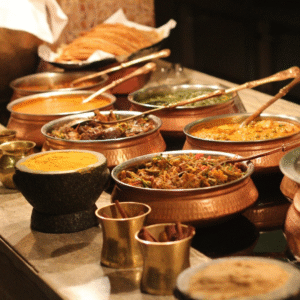
Indian cuisine offers a vast array of flavours, often characterised by spices and complex combinations. To recreate dishes like curry, one must focus on the base, typically made from onions, garlic, and ginger, sautéed until golden.
Key spices include:
- Cumin
- Coriander
- Turmeric
These spices can be ground fresh for a more robust taste.
Utilising regional variations is essential. For example, a Punjabi curry might feature cream, whereas a South Indian curry may utilise coconut milk for richness. Cooking techniques such as tadka (tempering spices in oil) enhance flavour profiles, making the dish authentic.
Traditional Street Foods from Around the Globe
Street foods offer a glimpse into local culture and flavours. An example is tacos from Mexico, which can be filled with seasoned meat, beans, or vegetables. To recreate authentic flavours, marinating meat with spices like cumin and paprika is vital.
Another dish, the British meat pie, uses pastry to encase seasoned fillings. A good pie requires a flaky crust, often made with cold butter and chilled water to achieve the right texture.
For seafood lovers, mussels can be prepared using simplicity. Steaming them with garlic, white wine, and herbs provides a fresh taste characteristic of many coastal dishes. Each street food reflects the region’s culinary identity, offering diverse and approachable options for home cooks.
Tips for Achieving Authentic Results
To recreate famous dishes from around the world, it is essential to focus on using authentic ingredients and learning from experts. The following strategies can help achieve results that are true to their origins.
Sourcing the Right Ingredients
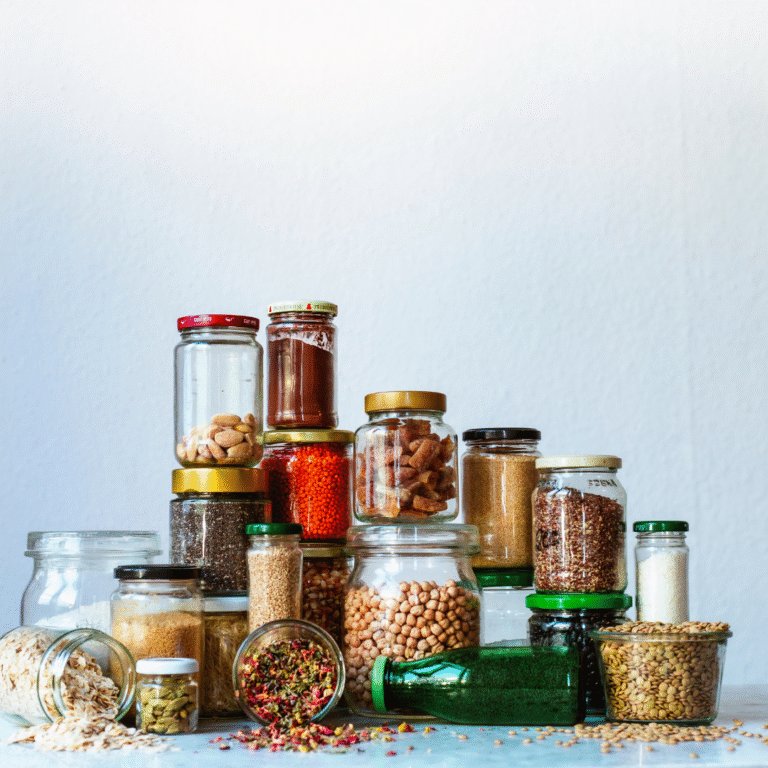
Using authentic ingredients is crucial for creating traditional dishes. Seek out local ethnic markets or specialty stores that offer products from specific regions.
- Spices: Fresh spices can significantly impact flavour. Look for whole spices and grind them just before use.
- Fresh produce: Choose seasonal and locally sourced ingredients to enhance authenticity.
- Regional specialities: For dishes featuring unique items like Italian cheeses or Asian rice varieties, consider online suppliers if local options are limited.
Investing time in ingredient sourcing will elevate the quality of the final dish.
Learning from Cooking Classes and Experts
Attending cooking classes or following culinary experts can deepen knowledge of traditional techniques. Look for classes that focus specifically on the cuisine of interest.
- Hands-on experience: Practical learning helps understand the nuances of cooking methods.
- Expert advice: Instructors can provide insights into ingredient selection and preparation techniques that are not always apparent from recipes.
- Cultural context: Learning about the history and culture behind dishes adds depth to the cooking experience.
Engagement with knowledgeable sources fosters confidence in recreating authentic dishes.

 By