By

Exploring plant-based dishes from different cultures reveals a rich tapestry of flavours and traditions. These vegan and vegetarian cuisines not only cater to dietary preferences but also celebrate a diversity of ingredients and cooking techniques unique to each region. From the spice-laden curries of India to the hearty stews of Ethiopia, plant-based meals provide an opportunity to experience global culinary heritage.
Each culture offers distinct plant-based options that reflect local customs and availability of ingredients. For instance, Mediterranean cuisine is renowned for its emphasis on fresh vegetables, legumes, and grains, while East Asian diets often highlight tofu and various types of seaweed. Understanding these dishes can enhance appreciation for veganism and vegetarianism worldwide.
In a time when many are transitioning to a plant-based diet, exploring these international dishes can inspire creativity in meal preparation. With a focus on sustainability and health, embracing global plant-based cuisines not only supports personal wellness but also nurtures a connection to the culinary practices of different cultures.
Global Foundations of Plant-Based Dishes
Plant-based dishes have deep historical roots and a rich tapestry woven through various cultures. This diverse culinary heritage reflects not only dietary preferences but also values around health, sustainability, and compassion for animals.
Historical Roots of Vegetarian Cuisine
The history of vegetarian cuisine dates back thousands of years. Ancient civilisations, like those in India and Greece, practised vegetarianism for spiritual and ethical reasons. Philosophers such as Pythagoras advocated for a meat-free diet, associating it with purity and wisdom.
In India, the influence of religions such as Hinduism and Buddhism led to widespread vegetarianism. The concept of ahimsa, or non-violence, underpins many dietary practices. This historical context has shaped a rich variety of vegetarian dishes, reflecting regional ingredients and culinary techniques.
Plant-Based Diets in Different Cultures
Different cultures showcase unique plant-based dishes that highlight local ingredients. Mediterranean cuisine offers dishes like falafel and hummus, rich in legumes and spices. In East Asia, tofu and vegetables feature prominently, with dishes like stir-fries and soups being staples.
In contrast, South American cuisine includes ingredients such as beans, quinoa, and corn. Traditional dishes like arepas and empanadas often focus on plant-based fillings. Such diversity illustrates how plant-based diets have been integral to various cultural identities worldwide.
Health and Sustainability Benefits
Adopting a plant-based diet offers numerous health benefits. Studies indicate a link between plant-based eating and reduced risks of chronic diseases. Nutrient-rich foods like fruits, vegetables, and whole grains support heart health and weight management.
From a sustainability perspective, plant-based diets require fewer resources compared to meat production. They contribute to lower carbon footprints and promote environmental conservation. This growing awareness encourages more individuals to explore vegetarian and vegan options, aligning their dietary choices with broader values of health and sustainability.
Iconic Plant-Based Dishes Around the World
Many cultures offer a rich variety of plant-based dishes that reflect their unique ingredients and culinary traditions. Key examples include Indian curries, East Asian soy-based dishes, Middle Eastern mezze, and Central American staples.
Indian Curries and Legume-Based Specialities
India is famed for its vibrant curries and the extensive use of legumes. Dishes like chana masala showcase chickpeas simmered in a spicy tomato gravy, emphasising aromatic spices such as cumin, coriander, and turmeric.
Lentil-based dhal is another staple, often cooked with onions, garlic, and ginger, and served alongside basmati rice or naan. These dishes are not only nourishing but also reflect India’s agricultural diversity, with lentils and beans being cultivated extensively across the nation.
East Asian Soy-Based Traditions
In East Asia, soy-based foods play a crucial role in plant-based cuisine. Tofu, made from curdled soy milk, is a versatile ingredient in dishes across countries like China and Japan.
Tempeh, originating from Indonesia, is another soy product that is fermented, resulting in a nutty flavour and firm texture. It is often stir-fried with vegetables or used in salads, providing both protein and probiotics. The use of soy sauce enhances the umami character of these dishes, creating a distinct flavour profile that complements various ingredients.
Classic Middle Eastern Falafel and Mezze
Falafel, made from ground chickpeas or fava beans, is a popular Middle Eastern dish that embodies the region’s culinary heritage. Often seasoned with herbs such as parsley and cumin, falafel is typically deep-fried until crispy, making it a hearty snack or a filling in pitas.
Mezze includes an array of small dishes, such as hummus, baba ghanoush, and tabbouleh. These dishes highlight the use of fresh vegetables, spices, and legumes, reflecting the region’s communal dining culture and the importance of sharing meals among friends and family.
Central American Gallo Pinto and Regional Staples
Gallo pinto is a signature dish in Central American cuisine, particularly in Costa Rica and Nicaragua. This rice-and-bean dish is often flavoured with spices and served as a staple for breakfast or lunch.
In addition to gallo pinto, many Central American countries have their own plant-based specialities. Dishes featuring maize, like tortillas and tamales, are fundamental, showcasing the grain’s cultural significance. Beans and fresh vegetables also play an integral role in providing a balanced diet rich in nutrients.
Street Food and Traditional Favourites
Street food offers a vibrant glimpse into culinary traditions across cultures. Many dishes are crafted from plant-based ingredients, providing delicious and satisfying options for those who prefer or are open to vegan choices.
Asian Noodle Soups and Rice Noodle Dishes
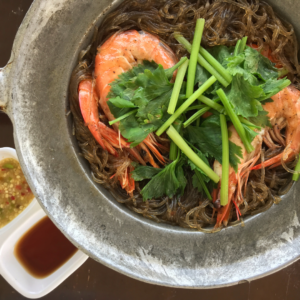
Asian noodle soups are renowned for their complexity and depth of flavour. Dishes such as pho from Vietnam typically feature a fragrant broth with rice noodles and herbs. While the classic version contains meat, many vendors offer vegan versions with mushrooms, tofu, and fresh vegetables.
Other notable dishes include Thai kuay teow, a rice noodle dish often served in spicy broth with greens, and Japanese udon soups, which can be made vegan by using vegetable dashi. Vendors frequently accommodate dietary preferences, making these soups a delightful choice for vegan travellers.
Vegan Spring Rolls and Chay Cuisine
Spring rolls are a staple in various Asian cuisines, often filled with an array of vegetables and herbs. They can be found fresh or fried, with a delectable blend of textures and flavours. Many recipes use rice paper, making them naturally vegan when filled with ingredients like cabbage, carrots, and vermicelli noodles.
In Vietnamese chay cuisine, which emphasises vegetarian practices, dishes can include stewed tofu and stir-fried vegetables, all prepared to enhance the natural taste of the ingredients. These offerings reflect the rich tradition of plant-based eating found in many street food locales.
Accidentally Vegan Street Delicacies
Several street food items are unintentionally vegan. For instance, potato samosas, commonly available at street stalls, are filled with spiced potatoes and peas, then deep-fried in plant oils. These crispy snacks can often be found at food markets, delightful for anyone seeking a quick, savoury treat.
Additionally, many types of falafel, made from ground chickpeas and herbs, are widely available. Served in pita bread with tahini, these are a popular choice in various countries. Such foods provide accessible, flavourful options for those exploring vegan street fare.
Key Ingredients and Cooking Techniques
Plant-based dishes incorporate a variety of ingredients and cooking methods that reflect their cultural origins. Understanding these elements can enhance the preparation and authenticity of such meals.
Fermentation and Soy-Based Products
Fermentation plays a crucial role in many plant-based cuisines. It adds depth and complexity to flavours while also providing probiotic benefits. Key soy-based products include:
- Tofu: Versatile with a neutral taste, it absorbs flavours well and can be used in stir-fries, soups, or grilled.
- Tempeh: Made from fermented soybeans, tempeh has a firmer texture and nutty flavour, ideal for sautés or as a meat substitute.
- Soy Sauce: A staple seasoning, it adds umami to dishes and can be used in marinades or dips.
Incorporating these products enhances both nutritional value and flavour profiles.
Essential Vegetables, Legumes, and Pulses
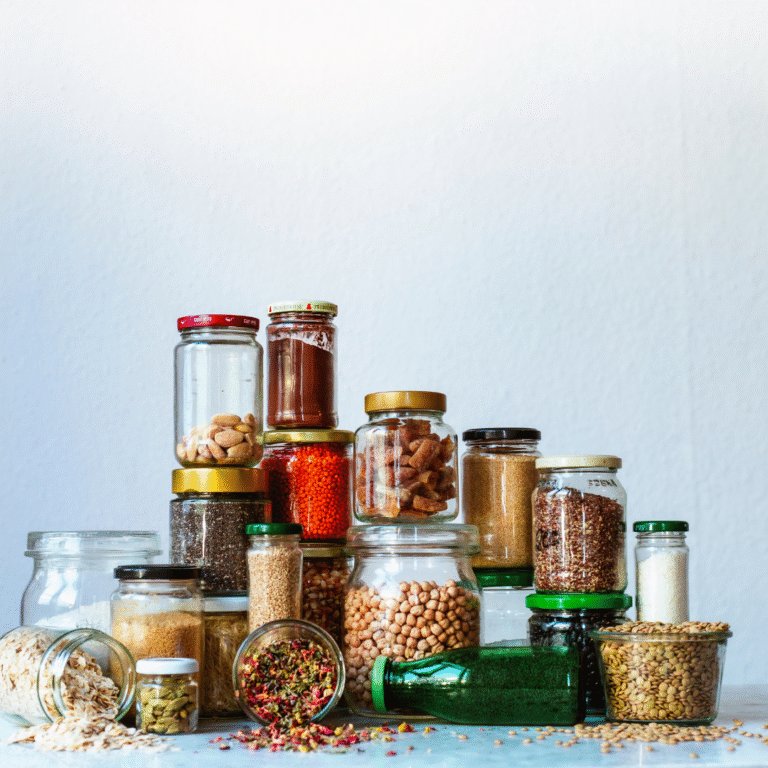
A range of vegetables, legumes, and pulses form the backbone of plant-based dishes. They provide essential nutrients and can vary widely across cultures:
- Eggplant: Common in Mediterranean and Asian cuisines, it can be grilled, roasted, or incorporated into stews.
- Tomatoes: Vital in many dishes, they can be used fresh, puréed, or sun-dried to lend acidity and sweetness.
- Leafy Greens: Spinach, kale, and other greens are often featured in salads or cooked to add nutrition and colour.
- Legumes and Pulses: Chickpeas, lentils, and beans serve as protein sources and can be used in soups, salads, or spreads.
These ingredients offer versatility and a range of flavours.
Oils, Spices, and Seasonings for Authentic Flavour
Using the right oils and spices is essential for creating authentic plant-based dishes. Different cuisines use distinct combinations of these elements:
- Olive Oil: Common in Mediterranean cooking, it adds richness to dressings and sautéed dishes.
- Coconut Milk: Popular in Asian cuisines, it contributes creaminess and can enhance curries and soups.
- Spices: Cumin, coriander, turmeric, and cardamom add warmth and complexity to dishes.
- Salt and Pepper: While simple, they are essential in bringing out the flavours of all ingredients.
Careful selection and application of these components create depth in plant-based cooking.
Tips to Veganise Traditional Dishes
Transforming traditional recipes into vegan versions requires clever substitutions while maintaining authenticity. Here are some effective strategies:
- Replace Dairy: Use silken tofu in creamy sauces or coconut milk for a rich texture.
- Substitute Meat: Utilise lentils, mushrooms, or tempeh for a hearty base in stews or baked dishes.
- Adapt Cooking Techniques: Roasting or grilling can enhance flavours, providing a satisfying texture without meat.
- Incorporate Vegan Spices: Utilise spices that are naturally plant-based for added depth in flavour.
Making these adaptations allows for preserving cultural integrity while accommodating dietary choices.

 By