By

Pan-Asian cuisine is a melting pot of vibrant flavors, textures, and cooking techniques from across the vast Asian continent. This culinary tradition seamlessly blends elements from different cultures, creating dishes that are both familiar and exotic.
The Origins of Pan-Asian Fusion
Pan-Asian cuisine is not just about mixing ingredients from various Asian countries; it’s about respecting and understanding the culinary traditions and histories behind those ingredients. The concept of fusion in this context dates back centuries, influenced by trade, migration, and colonialism. As people moved across borders, they brought their culinary practices with them, leading to a rich tapestry of flavors that we now enjoy as Pan-Asian cuisine. To experience it, e&o Pan-Asian Restaurant Athens is the best spot!
Key Influences
- Chinese Cuisine – Known for its balance of flavors—sweet, sour, salty, bitter, and umami—Chinese cuisine has significantly influenced many Pan-Asian dishes. Think soy sauce, ginger, and garlic.
- Japanese Cuisine – Emphasizing fresh ingredients and presentation, Japanese cuisine contributes elements like sushi, sashimi, and tempura to the fusion mix.
- Thai Cuisine – Famous for its bold and aromatic flavors, Thai cuisine adds a spicy and herbaceous kick with ingredients like lemongrass, kaffir lime, and chillies.
- Indian Cuisine – With its complex spice blends and rich curries, Indian cuisine brings warmth and depth to Pan-Asian dishes through the use of spices like cumin, coriander, and turmeric.
- Korean Cuisine – Known for its fermented ingredients and vibrant dishes, Korean cuisine contributes elements like kimchi, gochujang (fermented red chili paste), and barbecued meats.
Essential Components of Pan-Asian Fusion
Here are some essential ingredients and techniques:
Core Ingredients
- Soy Sauce – A versatile condiment used across many Asian cuisines, adding umami and depth to dishes.
- Fish Sauce – Common in Southeast Asian cooking, it provides a salty, umami punch.
- Rice – A staple in many Asian diets, varieties like jasmine, basmati, and sticky rice are foundational.
- Noodles – Ranging from rice noodles to udon and ramen, noodles are integral to many Pan-Asian dishes.
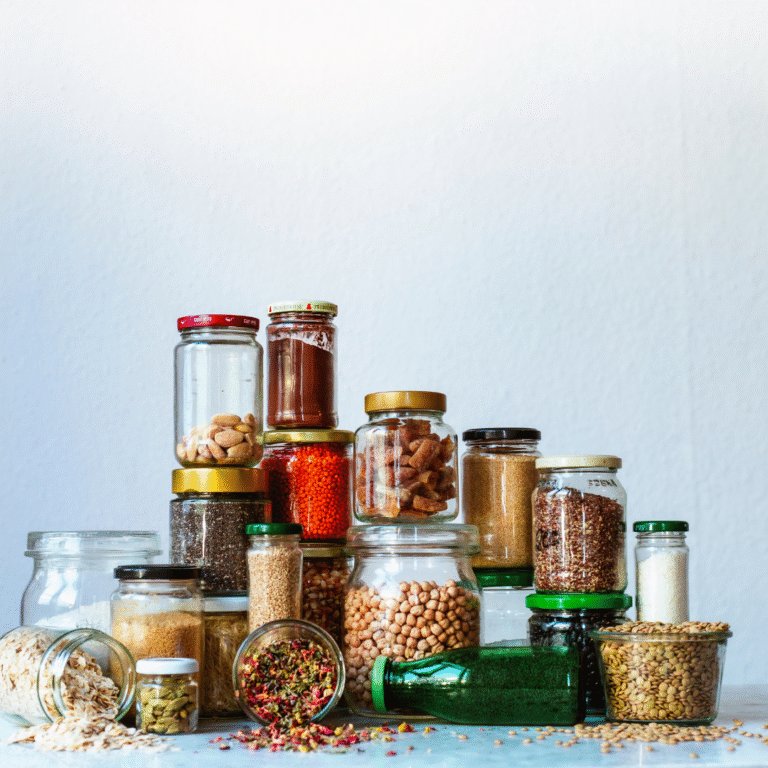
- Spices and Herbs – Ingredients like ginger, garlic, chillies, lemongrass, and cilantro are crucial for authentic flavors.
Cooking Techniques
- Stir-Frying – A quick cooking method that preserves the texture and color of vegetables and proteins.
- Steaming – Used for dumplings, fish, and vegetables, retaining nutrients and moisture.
- Grilling – Adds a smoky flavor, commonly used for meats and seafood in dishes like satay and Korean barbecue.
- Fermenting – Essential for creating depth in dishes like kimchi and miso.
Creating Your Own Pan-Asian Fusion Dishes
Ready to experiment in your kitchen? Here are some tips and ideas for creating your own Pan-Asian fusion dishes:
Step-by-Step Guide
- Start with a Base – Choose a core ingredient such as rice, noodles, or a protein (tofu, chicken, shrimp).
- Select Your Flavors – Combine elements from different Asian cuisines. For instance, marinate chicken in a soy sauce and ginger mixture, then grill and serve with a Thai-inspired peanut sauce.
- Balance is Key – Ensure your dish has a balance of flavors—sweet, sour, salty, bitter, and umami. Taste as you go and adjust accordingly.
- Incorporate Fresh Ingredients – Use fresh herbs like cilantro, basil, and mint to add brightness and contrast to cooked ingredients.
- Don’t Overcomplicate – Fusion doesn’t mean throwing everything together. Be selective with your ingredients to ensure they complement each other.
Recipe Ideas
Thai-Japanese Sushi Rolls
Ingredients :
- Sushi rice
- Nori sheets
- Fresh tuna or salmon
- Thai basil
- Avocado
- Mango
- Sriracha mayo
Instructions :
- Prepare sushi rice and let it cool.
- Lay out a nori sheet and spread a thin layer of rice on top.
- Add slices of fresh tuna, avocado, mango, and Thai basil leaves.
- Roll tightly and slice into pieces.
- Drizzle with sriracha mayo and serve.
Korean-Indian Tacos
Ingredients :
- Soft corn tortillas
- Grilled bulgogi beef or tofu
- Kimchi
- Fresh cilantro
- Sliced red onion
- Mango chutney
Instructions :
- Grill bulgogi beef or tofu and slice thinly.
- Warm tortillas and add a layer of kimchi.
- Top with grilled beef or tofu, cilantro, and red onion.
- Drizzle with mango chutney and serve.
Embracing the Fusion Mindset
The beauty of Pan-Asian cuisine lies in its flexibility and creativity. Embrace the fusion mindset by:
- Experimenting with Flavors – Don’t be afraid to try new combinations. Some of the best fusion dishes come from unexpected pairings.
- Learning from Different Cultures – Take the time to learn about the culinary traditions and histories behind the ingredients you use. This knowledge will enrich your cooking and deepen your appreciation for the cuisine.
- Sharing Your Creations – Cooking is a communal activity. Share your fusion creations with friends and family, and invite them to join you in exploring new flavors.
Conclusion
Pan-Asian cuisine offers a vibrant and dynamic culinary landscape that encourages exploration and creativity. By understanding the origins, key components, and techniques, you can create delicious fusion dishes that are both innovative and respectful of their cultural roots. Whether you’re a seasoned cook or a kitchen novice, the art of fusion in Pan-Asian cuisine provides endless opportunities to delight your taste buds and impress your dinner guests. So, gather your ingredients, fire up your stove, and embark on a flavorful journey through the diverse and delectable world of Pan-Asian fusion.
 By