By

Food and travel create a powerful combination that can enhance any journey. A well-planned food-focused travel itinerary allows a traveller to experience a destination through its culinary offerings, making every meal an adventure. To create an engaging itinerary, one should research local cuisine, identify must-try dishes, and map out quality dining options.
Exploring markets, street food, and regional specialities can provide insight into a culture and its traditions. By prioritising food experiences, travellers can connect more deeply with the places they visit. This approach transforms eating into an integral part of the adventure, ensuring memorable experiences beyond the typical tourist hotspots.
Assessing local dining trends and booking reservations in advance can also maximise enjoyment and minimise stress. With culinary delights awaiting at every turn, a thoughtful itinerary can lead to a fulfilling exploration of a destination’s gastronomic landscape.
Setting Your Culinary Travel Goals
Establishing clear culinary travel goals is essential for crafting a memorable food-focused trip. By defining priorities, selecting destinations, and identifying specific experiences, travellers can optimise their culinary journey.
Defining Your Food-Focused Trip Priorities
Before planning a culinary adventure, it is critical to identify the key aspects of the trip. Travellers may consider whether they prefer street food, fine dining, or local markets.
Creating a list can help clarify these priorities. For instance:
- Street food exploration
- Culinary classes
- Wine or cheese tastings
This prioritisation allows for a tailored itinerary that maximises enjoyment and satisfies personal tastes. It also ensures that each experience aligns with their expectations of local cuisine.
Choosing Destinations Based on Local Cuisine
Selecting destinations rich in local cuisine is vital for a successful culinary journey. Researching regions famous for specific dishes or ingredients can guide this decision.
For instance, travellers might consider:
- Italy for pasta and gelato
- Thailand for street vendors and spice markets
- Mexico for street tacos and local markets
Assessing factors like seasonal ingredients and cultural festivals can also enhance the experience. This way, individuals can immerse themselves in authentic culinary traditions and flavours unique to each destination.
Deciding on Culinary Adventures and Experiences
A food-focused trip should include various culinary experiences. Travellers should consider engaging in activities that deepen their appreciation of local cuisine.
Options may encompass:
- Participating in cooking classes
- Going on guided food tours
- Visiting farms or markets
Choosing experiences that resonate with personal interests will enhance the journey. Each culinary adventure not only teaches new skills but also fosters connections with local culture and traditions, enriching the overall travel experience.
Researching and Selecting Authentic Food Experiences
Finding genuine food experiences is essential for a memorable culinary journey. It involves understanding local traditions, seeking out street food, and engaging with locals to uncover hidden gems. A thoughtful approach to planning ensures that travellers can immerse themselves in the flavours of a destination.
Exploring Local Food Culture and Traditions
In-depth research into the local food culture is vital. Each region boasts unique culinary traditions shaped by history and geography. Travellers should look for local food festivals, which showcase traditional dishes and cooking methods.
Additionally, books and documentaries can provide insights into historical influences and signature ingredients. Engaging with culinary blogs and social media accounts of local chefs or food enthusiasts can provide current information and trends. This knowledge helps in selecting authentic experiences that reflect the area’s heritage.
Discovering Street Food and Local Markets
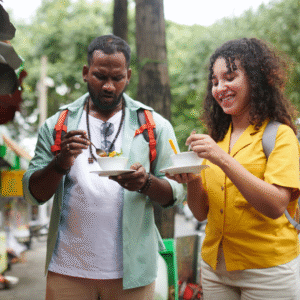
Street food often represents the heart of a city’s culinary identity. Travellers should explore local markets to experience fresh produce and traditional snacks. Markets are ideal for tasting regional dishes and meeting local vendors.
To truly immerse themselves in the local street food scene, he or she can join guided food tours. These provide a curated experience, highlighting must-try items. Researching popular food stalls or trucks renowned for their specialities can also lead to delightful discoveries. Ensuring to sample popular street foods offers a taste of authentic day-to-day life.
Planning Tastings, Cooking Classes, and Workshops
It is helpful to include cooking classes and workshops in a travel itinerary. These experiences provide hands-on learning about local ingredients and cooking techniques. Many culinary schools and local chefs offer classes where participants can prepare traditional recipes.
Workshops often include trips to local markets to gather ingredients. This interaction enriches the understanding of regional flavours. A cooking class provides an opportunity to not just taste, but also create authentic dishes, ensuring a deeper appreciation of local cuisine.
Engaging With Locals for Insider Tips
Engaging with locals can yield invaluable insights and recommendations. Travellers should consider joining community-led tours or workshops to meet residents passionate about their food culture. Conversations with locals can reveal the best eateries and hidden gems not found in guidebooks.
Social media platforms and community forums can also connect travellers with locals for real-time recommendations. Reciprocity in sharing experiences can enhance these interactions. By fostering these connections, visitors can gain a richer, more authentic culinary experience.
Creating a Balanced Food Itinerary
A well-planned food itinerary should combine must-try dishes, unique dining experiences, and opportunities for engagement with local food culture. This balance ensures a fulfilling culinary journey that caters to diverse tastes.
Selecting Must-Try Dishes and Dining Experiences
Identifying iconic dishes is essential for any food-focused trip. Each destination offers unique flavours and specialities that reflect its culture. Research local food guides, blogs, and social media to compile a list of must-try options.
Consider including both traditional meals and innovative dishes from local chefs. For example, in Italy, one might savour fresh pasta alongside contemporary plates from Michelin-rated restaurants.
Additionally, make reservations for popular dining spots well in advance to secure a table. Track seasonal ingredients to enhance the dining experience, ensuring you taste dishes that celebrate the local harvest.
Incorporating Food Festivals and Special Events
Food festivals provide an excellent opportunity to dive into regional cuisine. They showcase local delicacies and often include cooking classes, tastings, and demonstrations. Before planning, research any food festivals occurring during the travel dates.
Attending events like the Oktoberfest in Munich or the Galway International Oyster and Seafood Festival can enrich a travel experience. They allow for interaction with local chefs and vendors while enjoying vibrant atmospheres.
Participate in special culinary events, such as wine tastings or beer pairings, to broaden one’s palate. Incorporating these experiences into a travel itinerary fosters deeper connections with the locale.
Balancing Fine Dining, Wineries, and Casual Eateries
A balanced itinerary should encompass various dining experiences. Fine dining establishments provide the opportunity to indulge in gourmet cuisine, often complemented by exquisite wine selections.
Plan visits to renowned local wineries to experience tastings and take vineyard tours. Examples include Napa Valley’s notable wineries or Bordeaux’s famous châteaux.
Incorporate casual eateries for authentic comfort food. Street vendors and local diners often offer hidden gems, serving traditional dishes at more affordable prices. This variety enriches the culinary journey while providing a more holistic understanding of local food culture.
Cities with diverse populations include halal-friendly options too alongside their casual food scenes. Travellers can find a Halal restaurant Edinburgh, or elsewhere, that combine local atmosphere with clear halal practices — sourcing lamb, chicken and turkey from halal-certified suppliers and keeping preparation of non-halal items separate.
Top Destinations for a Culinary Adventure
Exploring the culinary scene in different countries offers unique experiences and highlights local flavours. Below are key destinations known for their rich culinary offerings and food cultures.
Italy: From Tuscany to Traditional Cuisine
Italy is renowned for its diverse regional cuisines. Tuscany stands out with its emphasis on fresh, local ingredients. Visitors can savour dishes like pici pasta, ribollita, and the famous Florentine steak.
Italian cuisine varies significantly across regions. In the north, creamy risottos and polenta are staples, while the south boasts dishes featuring seafood and robust flavours.
Wine lovers can explore vineyards in regions like Chianti and Brunello di Montalcino. Participating in a wine tasting enhances the culinary journey through Italy’s rich heritage.
France: Local Food and Fine Dining
France offers a sophisticated blend of traditional and modern cuisine. Each region is characterised by unique ingredients and techniques.
In Provence, visitors can enjoy ratatouille and bouillabaisse, while Brittany is famous for its galettes and seafood. Cities like Paris provide opportunities for Michelin-starred dining experiences.
Exploring local markets, such as the Marché Bastille, exposes travellers to fresh produce, cheese, and artisanal breads. Learning about French cuisine through cooking classes can deepen appreciation for its culinary art.
Spain: Markets, Tapas, and Wineries
Spain is synonymous with vibrant flavours and communal dining. The tapas culture allows for sampling small dishes, creating a social culinary experience.
Cities like Barcelona and Seville are famous for their excellent tapas. Visitors should seek out dishes such as patatas bravas, jamón ibérico, and seafood paella.
Moreover, Spain’s wine regions, including La Rioja and Ribera del Duero, are ideal for pairing local wines with food. Exploring local markets, such as Mercat de Sant Josep de la Boqueria, provides insight into the country’s culinary diversity.
Sushi and Unique International Highlights
Sushi represents a different culinary adventure with its precise technique and fresh ingredients. Cities like Tokyo are famous for sushi bars where chefs demonstrate exceptional skill.
The experience ranges from nigiri to sashimi, showcasing the artistry of Japanese cuisine.
Beyond sushi, countries such as Thailand and Mexico also offer vibrant food scenes. From spicy street food to intricate regional dishes, each location offers unique flavours to discover. Sampling local dishes enhances the travel experience significantly.
 By