By
By 
A gourmet meal is often characterised by its attention to detail, quality of ingredients, and intricate preparation techniques. The essence of a gourmet experience lies in the harmonious balance of flavours, visually appealing presentation, and the use of high-quality, often seasonal or locally sourced produce. These elements elevate a simple dish into something extraordinary, transforming a meal into a culinary experience.
Gourmet meals typically feature unique combinations of flavours and textures, showcasing the chef’s creativity and skill. They often incorporate artisanal products and specialised techniques that enhance the dish’s complexity. This dedication to excellence not only satisfies the palate but also engages all the senses, making each dining experience memorable.
Moreover, the atmosphere in which a gourmet meal is served plays a crucial role. The right setting, attentive service, and thoughtful wine pairings contribute to the overall experience. Together, these aspects create an environment where food is appreciated as an art form, rather than just sustenance.
Key Qualities of a Gourmet Meal
A gourmet meal stands out for its use of premium ingredients, careful preparation, and the harmonious blend of flavours. The following qualities are essential in defining a meal as gourmet.
Exceptional Ingredients
Exceptional ingredients are the cornerstone of any gourmet meal. High-quality, fresh produce ensures vibrant flavour and nutritional value. This includes organic fruits and vegetables, artisan cheeses, and sustainably sourced meats.
Innovative use of ingredients also elevates the dining experience. Incorporating unique components like exotic mushrooms, fresh herbs, and rare spices can surprise and delight the palate. Each element must be chosen with care to contribute to the meal’s overall appeal.
Furthermore, seasonality plays a vital role. Sourcing ingredients that are in season not only enhances flavour but also supports local farmers and promotes sustainability.
Expert Preparation and Cooking Styles
Expert preparation is key to achieving a gourmet outcome. This involves not only skilled cooking techniques but also a deep understanding of flavour profiles. Techniques such as sous-vide, flambé, and precise roasting can bring out the best in each ingredient.
Attention to detail is paramount. Chefs must ensure that each element is cooked to perfection, maintaining the integrity of flavours while enhancing textures. This includes balancing components like crispy, creamy, and tender elements within the dish.
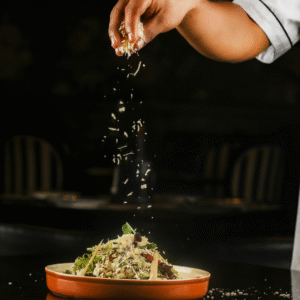
Moreover, presentation is critical. Aesthetically pleasing plating demonstrates professionalism and care, turning the dish into a visual delight before it is tasted.
Flavourful Taste Combinations
Flavourful taste combinations are what truly define a gourmet meal. The ability to blend contrasting and complementary tastes is an art. This may include pairing sweet and savoury or spicy and acidic elements.
Utilising fresh herbs and spices is essential for depth and complexity. For example, the addition of rosemary to roasted lamb can enhance its richness, while a splash of balsamic reduction can elevate the dish further.
Balancing flavours requires skill and intuition. Chefs must understand how different flavours interact, ensuring that no single element overshadows another. A well-crafted dish should invite exploration of its various layers.
Structure and Courses of a Gourmet Dining Experience
A gourmet dining experience is carefully curated, with each course designed to showcase high-quality ingredients and methods. The structure typically includes a progression of flavours and textures that delight the palate.
Appetisers and Starters
Appetisers serve as an introduction to the meal, designed to stimulate the appetite. They often include small, elegant dishes such as bruschetta, tartare, or savoury tarts, each artfully presented.
Salads in this stage, like a quinoa and pomegranate salad, can blend refreshing elements with intricate dressings. Soups also feature prominently, often crafted to highlight seasonal ingredients, such as a wild mushroom bisque or lobster chowder.
The key lies in balance; dishes should complement one another, preparing the diner for the forthcoming courses. Each flavour should tease, rather than fully satisfy.
Main Courses
Main courses are the focal point of a gourmet meal. They should be substantial yet refined, showcasing the chef’s technique and creativity. Protein selections can range from pan-seared duck breast to sustainable fish.
Accompaniments, such as truffle risotto or seasonal vegetables, enhance the primary dish without overshadowing it. Attention to plating is essential; a well-presented dish can elevate the overall dining experience.
Sauces and reductions often provide depth, using elements like red wine reduction or béarnaise sauce to amplify flavours.
Seasonality and local sourcing are crucial, ensuring the best quality ingredients are used.
Desserts and Final Touches
Desserts conclude the meal with a sweet note, often featuring chocolate or fruit as primary elements. A dark chocolate mousse with a hint of sea salt can provide a rich contrast, while fruit-based options like panna cotta or a tarte tatin offer refreshing balances.
Cheese can also be included as a sophisticated finish, often served with various accompaniments like honey, nuts, or artisan bread.
Beverages, particularly coffee or dessert wines, complete the experience, enhancing the overall taste.
The careful selection and presentation of these final touches highlight the dedication to quality typical of gourmet dining.
Ingredient Choices and Signature Dishes
The selection of ingredients plays a crucial role in defining a gourmet meal. It encompasses not only the quality of the products used but also the uniqueness of the flavour profiles achieved through specific combinations and techniques.
Seafood and Fish Specialities
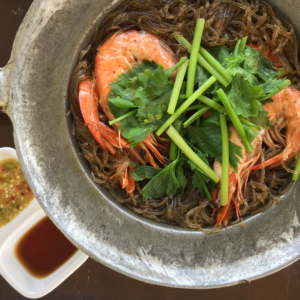
Gourmet seafood often includes high-quality options like salmon and prawns. These ingredients are favoured for their delicate textures and rich flavours.
- Salmon can be prepared in various ways, such as smoked, grilled, or poached, and it pairs well with citrus or herbal accompaniments.
- Prawns can enhance dishes when roasted with garlic and served on a bed of zucchini or other seasonal vegetables, showcasing their sweetness.
Using fresh, sustainable sources elevates the dish’s quality and supports eco-friendly practices.
Premium Meats and Vegetables
Using premium cuts of meat like steak adds sophistication to gourmet meals. A well-cooked steak can be accompanied by seasonal vegetables, which contribute to both flavour and presentation. For a modern example of fire-cooked, rare-breed beef and smoked meats that celebrate bold smoky flavours and in-house butchery, check out restaurants like the Temper Restaurant.
- Options like roasted zucchini and pumpkin serve as excellent sides, enhancing the meal with colour and complementary flavours.
- Cooking techniques, whether grilling, pan-searing, or sous-vide, can greatly influence the final taste, allowing the natural flavours to shine.
Choosing meats that are grass-fed or organic can further intensify the experience and provide a more robust taste.
Showcase Desserts
Desserts in gourmet meals should not be overlooked. A well-crafted dessert can leave a lasting impression.
- Chocolate cake, for instance, can be elevated with high-quality dark chocolate, creating an indulgent finale.
- Pairing it with seasonal fruits or a touch of sea salt enhances its richness and complexity.
The presentation of desserts is equally important, with garnishes like edible flowers or artistic drizzles of sauces that highlight the chef’s creativity and attention to detail.
Cultural Influences and Innovative Cuisine
Culinary traditions significantly shape gourmet cooking. Global cuisines introduce unique ingredients and techniques, while innovation in presentation elevates the dining experience into an art form.
World Cuisines
World cuisines contribute richly to the concept of gourmet meals. Each culture brings distinct flavours, spices, and cooking methods. For instance, French cuisine is renowned for its sauces and pastries, while Japanese cuisine emphasises freshness and simplicity.
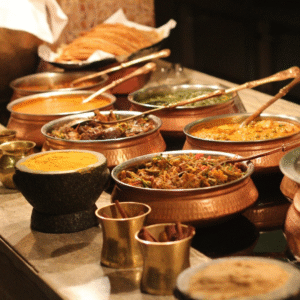
Italian dishes highlight regional ingredients, emphasising local produce and seasonal recipes. Indian cuisine offers a colourful palette of spices, creating bold flavours that invigorate traditional offerings. These varied influences are woven into gourmet cooking, enhancing complexity and depth.
Furthermore, many chefs experiment by merging diverse culinary traditions, creating fusion gourmet dishes. The outcome is a unique gastronomic experience that reflects a global tapestry of flavours.
Creativity and Presentation in Gourmet Cooking
Gourmet cooking transcends mere taste; it is about an entire sensory experience. Creative presentation plays a crucial role in gourmet meals. Chefs often use innovative plating techniques to enhance visual appeal.
Plating styles can include height, layering, and artistic arrangements. For example, a deconstructed dish presents familiar flavours in an unexpected format. Use of colour contrasts can highlight specific ingredients and create an inviting presentation.
Additionally, garnishes and sauces are not just accompaniments; they are integral to the dish’s visual identity. Chefs may employ elements like edible flowers, microgreens, or artistic drizzles to elevate the dish.
This emphasis on creativity extends to the use of cutting-edge cooking techniques, such as sous vide or molecular gastronomy, pushing the boundaries of traditional cuisine.

 By
By