By

Italian cuisine is celebrated for its rich flavours and diverse ingredients. Home cooks and professional chefs alike seek out the best Italian recipes to recreate authentic dishes that capture the essence of Italy. Classic Italian recipes like pasta, risotto, and tiramisu showcase traditional techniques and regional ingredients, making them favourites in kitchens around the world.
Exploring these treasured traditions reveals not only the history behind each dish but also the culinary techniques that define Italian cooking. From the simplicity of a fresh Caprese salad to the comforting warmth of a hearty lasagne, these recipes offer something for everyone. Embracing traditional Italian recipes allows for an incredible journey into the heart of Italy, turning any meal into a celebratory experience.
Whether someone is a seasoned chef or a novice in the kitchen, discovering the best Italian recipes can inspire creativity and confidence at mealtime. With a focus on quality ingredients and time-honoured methods, each recipe brings the flavours of Italy to the table, transforming everyday cooking into an opportunity for delightful culinary exploration.
Essential Italian Ingredients
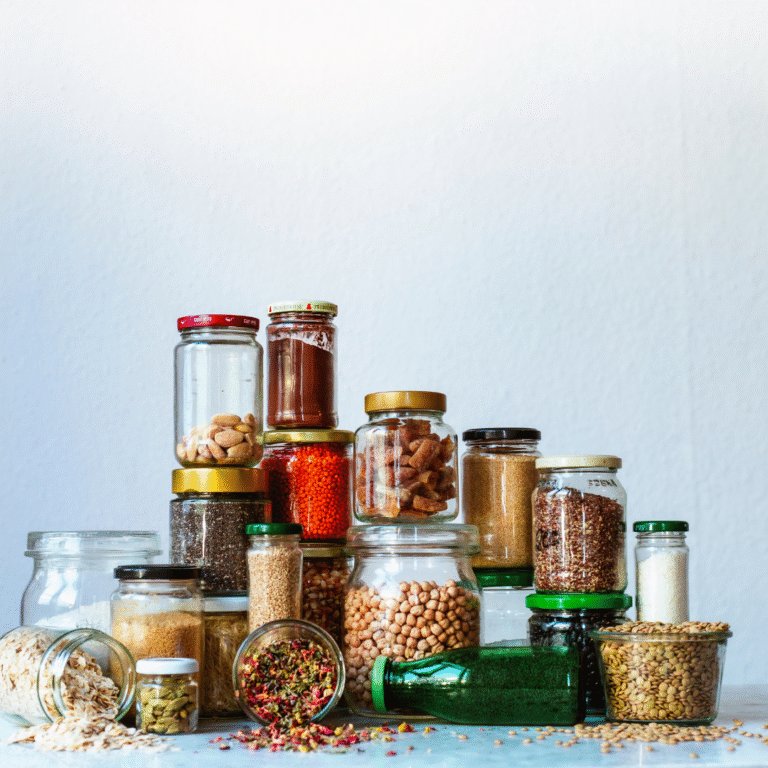
Italian cooking relies on a variety of essential ingredients that bring flavour and depth to its dishes. Understanding these components is crucial for anyone looking to recreate authentic recipes.
Herbs and Spices
Fresh herbs are fundamental in Italian cuisine. Basil is often used in sauces, salads, and as a garnish. Its sweet, aromatic flavour pairs well with tomatoes and mozzarella. Parsley is another common herb, used for both flavouring and decoration. It adds a fresh taste to dishes like risotto and stews.
Oregano and rosemary are also key herbs. They enhance meats and sauces with their robust profiles. Capers and anchovies are important for their salty, tangy characteristics. They provide umami flavours, making them valuable additions to pasta and fish dishes.
Cheeses and Dairy
Cheese is a cornerstone of Italian cooking, with mozzarella being one of the most popular. Known for its creamy texture, it is often used in pizzas and Caprese salads. Parmigiano-Reggiano lends a rich, nutty flavour to pasta dishes and risotto.
Ricotta is versatile and used in both savoury and sweet dishes. Its light, creamy texture makes it ideal for lasagnes and desserts like cannoli. Gorgonzola adds a bold flavour to salads and sauces. Together, these cheeses create a rich culinary landscape in Italian cuisine.
Meat and Seafood
Italian cuisine showcases a variety of meats. Pork, especially in the form of pancetta and prosciutto, is frequently used for its flavour and richness. Beef is also prominent, appearing in dishes like osso buco and Bolognese sauce.
Chicken and veal are common in regional dishes, often braised or roasted. Fish and seafood, like sardines and clams, are vital in coastal areas, reflecting local culinary traditions. Anchovies, rich in flavour, are frequently incorporated into pasta sauces and dressings.
Vegetables and Legumes
Vegetables are key to a balanced Italian meal. Tomatoes, both fresh and canned, serve as a base for sauces and stews. Onions, garlic, and peppers are essential for building flavour in many dishes.
Legumes like beans are utilised in soups, salads, and pasta. They add protein and texture, making dishes heartier. Seasonal vegetables like courgettes and eggplants contribute freshness and diversity, often featured in classic dishes like ratatouille and caponata. The use of quality ingredients elevates the overall dining experience.
Classic Pasta Dishes
Pasta dishes are integral to Italian cuisine, showcasing a range of flavours and textures. Each recipe brings its own unique taste, rooted in tradition yet adaptable for modern kitchens.
Hearty Bolognese
Bolognese sauce is a rich meat sauce, traditionally made with minced beef, pork, or veal. It begins with a soffritto of onions, carrots, and celery sautéed in olive oil. These ingredients create a flavour base, to which the meat is added until browned.
Tomato purée, red wine, and herbs such as bay leaves and thyme enhance its complexity. Slow cooking is essential; simmering the sauce allows the flavours to meld over time. It’s typically served with tagliatelle or pappardelle, fresh pasta that holds the sauce well. For authenticity, some recipes include milk or cream for added richness.
Creamy Carbonara
Spaghetti alla Carbonara is a beloved pasta dish known for its simple yet indulgent ingredients. The key components include guanciale (cured pork cheek), eggs, Pecorino Romano cheese, and black pepper.
The guanciale is diced and sautéed until crispy, imparting a smoky flavour. The pasta is cooked until al dente, and while hot, combined with the guanciale and beaten eggs, creating a creamy sauce that coats each strand. It’s essential to work quickly to prevent the eggs from scrambling. The dish is often finished with freshly cracked pepper and additional cheese for extra richness.
Simple Cacio e Pepe
Cacio e Pepe is one of the simplest pasta dishes that highlights the beauty of minimalism. Originating from Rome, it relies on just three key ingredients: spaghetti, Pecorino Romano cheese, and freshly ground black pepper.
The preparation is straightforward. The pasta is cooked in salty water until just before al dente. Meanwhile, grated cheese and pepper are combined in a bowl. The hot pasta is then tossed with the cheese and a bit of pasta water, creating a creamy emulsion. This dish embodies the essence of Italian cooking—flavourful simplicity that requires good quality ingredients.
Traditional Lasagna
Lasagna is a quintessential Italian dish known for its layered structure. The classic version includes sheets of pasta, Bolognese sauce, béchamel, and grated cheese.
The assembly starts with a layer of Bolognese followed by pasta, then béchamel. This process continues until the dish is filled, finishing with a generous layer of cheese on top. It is then baked until golden and bubbling, allowing the flavours to meld together. Variations include adding spinach or ricotta, but the traditional approach remains a favourite for its comforting appeal and rich taste.
Iconic Italian Mains and Sides
Italian cuisine offers a rich array of main dishes and sides that showcase the depth of flavours and techniques unique to the region. From succulent meats to vibrant vegetarian options, each dish presents a story grounded in tradition.
Meat Specialities
Italian meat dishes are renowned for their robust flavours and hearty preparations. Osso buco, a braised veal shank, is often paired with gremolata to enhance its rich taste. It is typically served alongside risotto for a complete meal experience.
Chicken Parmesan features breadcrumbs and cheese, creating a crunchy exterior paired with a marinara sauce. This dish is popular in many households and restaurants alike.
Another favourite is bistecca alla fiorentina, a thick-cut T-bone steak, grilled to perfection and seasoned simply with salt and olive oil. This Tuscan classic highlights the quality of the meat and showcases grilling as an art form.
Seafood Selections
Italian coastal regions take pride in their seafood dishes, featuring fresh ingredients and simple preparations. Shrimp scampi, sautéed with garlic, lemon, and parsley, emphasises the natural sweetness of the shrimp while providing a zesty kick.
Calamari, lightly fried and often served with marinara or aioli, is a popular appetizer that offers a textural contrast.
Baccalà, or salted cod, plays a significant role in traditional Italian meals, especially during festive occasions. It can be prepared in various ways, including baccalà mantecato, a creamy spread typically served on crostini.
Vegetarian Favorites
Vegetarian options in Italian cuisine are as delicious and hearty as their meat counterparts. Eggplant Parmigiana, featuring layers of fried eggplant, marinara sauce, and cheese, is a comfort food staple. Each layer contributes to a complex flavour profile that many savour.
Ricotta gnudi are soft dumplings made primarily from ricotta cheese and flour. These delicate bites are often served with a light butter sauce or a fresh tomato sauce.
Roasted or grilled vegetables frequently accompany many dishes, providing colour and flavour. They are often drizzled with extra virgin olive oil and sprinkled with herbs, honouring traditional preparation methods.
Delightful Italian Desserts
Italian cuisine is renowned for its flavours, and its desserts are no exception. From rich cakes and pastries to refreshing frozen treats and smooth puddings, each dessert showcases Italy’s culinary heritage.
Cakes and Pastries
Italian cakes and pastries are varied and often filled with delicious ingredients. Tiramisu, a coffee-flavoured dessert, features layers of espresso-soaked ladyfingers and mascarpone cheese, dusted with cocoa powder.
Sicilian cannoli are another classic treat. These are crisp pastry shells filled with a sweet ricotta mixture, often enhanced with chocolate chips or candied fruit.
Panettone, a traditional sweet bread loaf, is associated with Christmas. It boasts a light, fluffy texture, filled with candied orange peel, raisins, and almonds, making it a festive favourite.
Refreshing Gelato and Sorbet
Gelato stands out for its rich flavour and creamy texture, differing from regular ice cream due to less air and fat. Classic flavours include pistachio, stracciatella, and hazelnut.
Sorbet, on the other hand, is dairy-free and highlights fresh fruit. Lemon and raspberry are popular choices that offer a refreshing finish to any meal. Both gelato and sorbet are often enjoyed in charming Italian gelaterias, where artisans craft these treats with care.
Traditional Puddings and Custards
Panna cotta is a silky custard, often served with a berry coulis. Its creamy base, made with cream, sugar, and gelatin, can be infused with vanilla or coffee for added depth.
Another noteworthy dessert is zabaglione, an egg-based custard, typically served warm. Made with Marsala wine, it has a light and airy texture.
These traditional puddings bring a comforting end to any Italian meal, showcasing the country’s love for rich, yet simple flavours.

 By