By
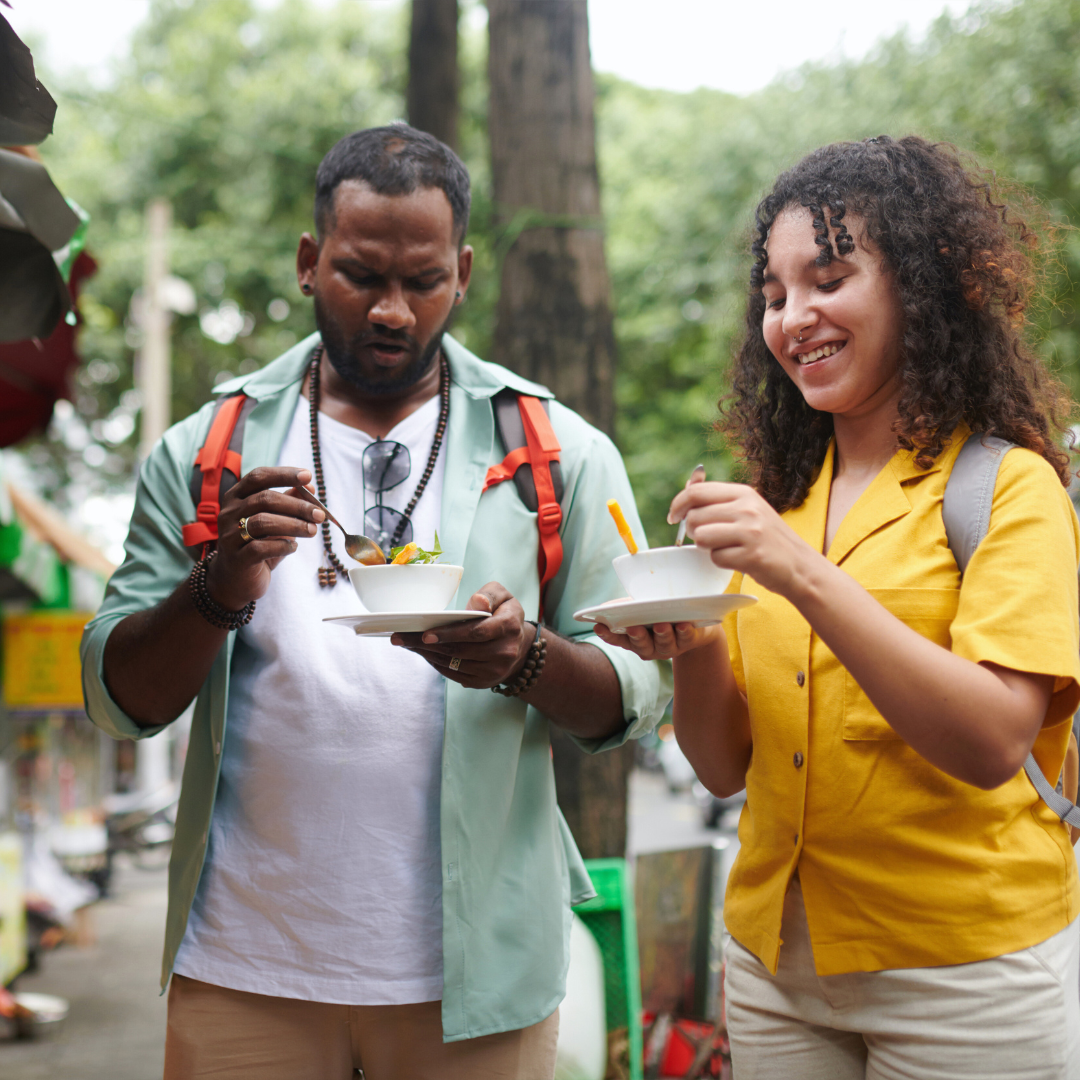
Food walking tours combine the experience of exploring a city with tasting its local cuisine, offering a unique and immersive way to travel. They allow participants to discover hidden gems and authentic dishes that might be missed by ordinary sightseeing.
The value lies in the blend of cultural insight and culinary adventure, making the tour both educational and enjoyable in a single outing. This approach gives people a richer understanding of a place through its food traditions and neighbourhood stories.
By moving through different locations on foot, tours provide a more intimate connection to the environment and community than typical restaurant visits. They offer more than just meals—they offer context and history behind each bite.
Cultural and Culinary Immersion
Food walking tours offer a direct connection to local ingredients, cooking styles, and dining habits. They provide a firsthand experience of customs tied to food and highlight authentic dining environments missed by standard tourist activities.
Experience Authentic Local Cuisine
Food tours focus on local cuisine prepared with traditional methods. Participants often sample dishes made from regional ingredients rarely found in chain restaurants or fast-food venues. This access allows travellers to taste unique flavours from family-run cafés, street vendors, and markets.
Many tours include stops at establishments known for signature dishes specific to the area. This enhances understanding of the local palate and culinary diversity. Travellers also learn to recognise freshness and quality indicators unique to the region’s food.
Understand Food Traditions and History
Each dish has a story reflecting the region’s history, geography, and cultural influences. Food walking tours provide context by sharing the origins and significance of these recipes. Guides often explain how past trade, migration, or farming practices shaped the local menu.
Learning about food traditions helps travellers appreciate the cultural importance of shared meals and seasonal foods. This knowledge fosters respect for the community’s heritage and culinary crafts handed down through generations.
Eat Like a Local: Beyond Tourist Spots
Food tours encourage eating outside traditional tourist areas, guiding travellers to popular local hangouts. These venues tend to have recipes and presentation styles unchanged by tourism demand. Eating where locals do enhances the authenticity of the experience.
This also supports small businesses and local economies. Being part of the local food culture means engaging with everyday dining habits, such as regional snacks, street food, and after-work drinks. This gives a more accurate sense of the destination’s food scene.
Expert Guidance and Local Insight
Food walking tours offer direct access to specialists who know the culinary scene intimately. This interaction enables a deeper understanding of dishes, regional ingredients, and traditional cooking methods.
Benefit from Local Guides
Local guides bring firsthand knowledge of their city’s food culture. They navigate visitors through busy markets, hidden eateries, and historic food spots that outsiders might miss.
Their expertise includes explaining the significance of certain dishes and highlighting unique flavours linked to the area. This personal guidance saves time and enriches the experience beyond typical tourist activities.
Insider Recommendations and Tips
Food tour guides often share advice on how to enjoy local cuisine beyond the tour. These insider tips might cover the best times to visit popular restaurants, where to find authentic snacks, or how to eat certain foods properly.
Such recommendations help visitors avoid tourist traps and make informed dining choices. Guides may also suggest food festivals or seasonal specialities, enhancing the overall understanding of local food culture.
Personal Stories and Food Narratives
Food tours led by local guides include stories that connect dishes to history and community life. These narratives give meaning to the ingredients and cooking styles encountered.
Tour guides frequently share personal experiences or family recipes that illustrate the evolution of local cuisine. This storytelling aspect creates a richer and more memorable food experience for participants.
Diverse Food Experiences and Social Connection
Food walking tours offer more than just eating; they provide a chance to experience a variety of tastes, locations, and social settings. Participants encounter authentic local dishes, explore lesser-known eateries, and meet others with a shared passion for food.
Discover Varied Tastes and Dishes
Foodie tours present a curated selection of dishes that cover a broad spectrum of flavours. They often combine traditional recipes with modern twists, allowing participants to taste items they might not find on regular menus.
The tours frequently include stops at several venues, each specialising in different culinary styles or ingredients. This variety helps travellers understand the cultural and historical context behind the food. Small portions ensure participants can sample many dishes without overeating.
Explore Street Food and Hidden Gems
Street food is a core element of many food tours, providing an unfiltered taste of local culture. These vendors often serve recipes passed down through generations, representing authentic culinary heritage.
Food tours also guide visitors to hidden gems—small, family-run establishments or market stalls not easily found by solo travellers. These places offer genuine flavours and a more personal atmosphere. Access to these spots is a unique benefit of guided food tours.
Meet Fellow Travellers and Foodies
Food tours naturally create social environments where participants can connect over shared interests. Whether locals or tourists, these groups foster conversations about tastes, recipes, and personal experiences.
This interaction often extends beyond the tour itself, with attendees exchanging tips or arranging meet-ups. For those who enjoy food-related socialising, these tours provide a structured way to meet like-minded people.
Access to Cooking Classes and Demonstrations
Many food walking tours include or offer options to join cooking classes and live demonstrations. These sessions teach participants how to prepare local dishes using authentic techniques.
Hands-on cooking reinforces the tasting experience by deepening understanding of ingredients and methods. It also empowers participants to recreate dishes at home. Such classes complement food tours by adding an educational, practical element.
Practical Advantages of Food Walking Tours
Food walking tours offer efficient ways to explore a city’s culinary scene while saving time and money. They provide direct interaction with local vendors and deliver authentic tastes of regional cuisine without the hassle of planning multiple stops.
Maximise Limited Travel Time
Food walking tours allow travellers to sample a variety of local dishes in a condensed time frame. Instead of visiting restaurants separately, participants move on foot from one food venue to the next, reducing travel between locations and wait times.
Guides often optimise the route to include unique eateries and hidden gems. This approach ensures the tour covers different food styles and neighbourhoods within a few hours, giving a broad yet focused experience.
Cost and Time Efficiency
Booking a food walking tour often proves more economical than dining at multiple separate restaurants. Prices usually cover tastings at several locations, which can be cheaper than ordering full meals individually at each stop.
Time is saved by eliminating the need for research, reservations, or transportation planning. Tour organisers handle logistics, letting travellers concentrate on tasting dishes and learning about local food culture.
Support Local Businesses
Food walking tours frequently partner with small, family-owned establishments rather than large chains. This support provides income and visibility to local chefs and vendors who rely on tourism.
By bringing visitors directly to these businesses, tours help preserve traditional recipes and encourage the local food economy. Travellers receive an authentic experience while contributing tangibly to the community’s livelihood.

 By