By
By 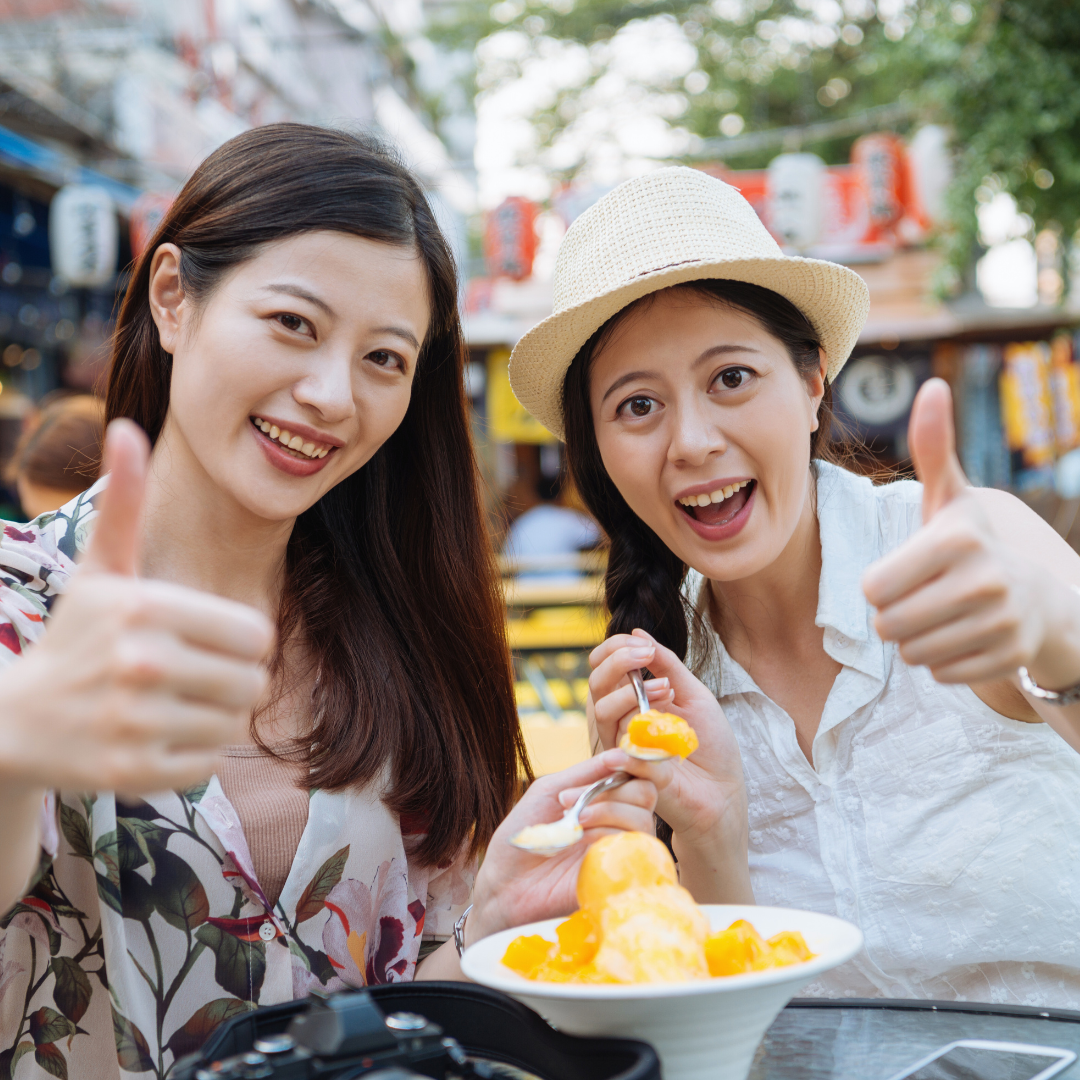
Many people believe eating well while travelling means spending a lot of money, but this is not true. By planning ahead, choosing local markets, and cooking some meals, travellers can enjoy nutritious food without overspending. This approach allows them to maintain a balanced diet even on a tight budget.
Finding affordable food options requires knowledge of local customs and smart choices. Travellers who explore street food or buy fresh ingredients from markets often save money and experience authentic flavours. This practical guide will help them make the best food decisions while keeping costs low.
Essential Strategies for Eating Well on a Budget
Eating well while travelling requires practical steps like preparing food, leveraging accommodation features, and using technology to find affordable meals. Budget-conscious travellers can save money and enjoy diverse food options by adopting these focused approaches.
Plan Meals and Snacks Ahead
Planning meals and snacks before travelling helps avoid costly last-minute purchases. Packing non-perishable snacks such as nuts, dried fruit, or energy bars ensures availability during delays or busy days.
Researching local grocery stores or markets before arrival lets travellers know where to buy fresh, affordable ingredients. Writing a simple meal plan tailored to the trip’s duration can reduce impulse eating.
Bringing a refillable water bottle cuts down spending on bottled drinks and helps maintain hydration. Eating smaller, frequent meals rather than one or two large meals also controls spending and keeps energy up.
Book Accommodation with Kitchen Facilities
Choosing hotels or hostels with kitchen access allows travellers to prepare their own meals, cutting costs significantly. Even a basic kitchenette with a microwave and fridge enables mixing simple ingredients into nutritious meals.
Cooking some meals also accommodates dietary preferences and avoids reliance on expensive restaurant food. Accommodations offering free breakfast reduce the need to buy extra morning food.
When booking, travellers should verify kitchen amenities, such as utensils, stove access, and nearby supermarkets. This empowers them to balance convenience with savings effectively.
Use Food Apps to Find Affordable Options
Food apps are valuable tools for budget travellers seeking cheap, quality meals. Apps like Too Good To Go offer surplus restaurant food at discounted prices, helping reduce both waste and costs.
Other apps highlight local deals, happy hour specials, or budget-friendly eateries with community reviews. Combining this with location-based search features ensures finding affordable meals close to where they are staying.
Using apps to compare prices before dining out prevents overspending and supports discovering hidden culinary gems off the typical tourist routes. It makes managing a daily food budget more efficient.
Enjoying Local Flavours Economically
Travellers can enjoy authentic local cuisine without overspending by focusing on specific dining options. Understanding where to find affordable, genuine food helps maintain a budget and enriches the travel experience.
Experience Local Markets
Local markets provide a range of fresh and affordable ingredients, snacks, and ready-to-eat dishes. They often feature seasonal produce, regional specialities, and homemade items at lower prices than restaurants.
Visitors should explore markets early in the day for the best selection and bargains. Sampling small portions from multiple vendors allows trying diverse local foods without spending much. Many markets also have seating areas where people can eat on-site.
Markets offer insight into the culture behind the food. Interacting with vendors can reveal how dishes are prepared and what ingredients define the local cuisine. This knowledge enhances the overall culinary experience at minimal cost.
Savour Street Food and Food Trucks
Street food and food trucks are key options for affordable dining while experiencing traditional local flavours. These setups focus on quick, fresh, and often iconic dishes popular among residents.
Prices are usually lower than sit-down restaurants because of lower overhead costs. Examples include tacos in Mexico, banh mi in Vietnam, or pasties in Cornwall.
When choosing street food, selecting busy stalls with high turnover ensures freshness and safety. Travellers can try multiple small dishes for variety without a large expense. Often, food trucks provide seating or nearby public spaces to enjoy meals comfortably.
Dine at Local Diners and Budget-Friendly Restaurants
Local diners and budget-friendly restaurants offer a sit-down experience that still fits a tight budget. These places typically serve traditional dishes in larger portions and use local ingredients.
It’s valuable to look for set menus, daily specials, or lunch deals, which offer good value. Reading reviews or asking locals can help identify affordable eateries that maintain quality standards.
Such establishments often provide a window into everyday dining culture, with menus reflecting time-honoured recipes. Eating here supports local businesses and gives travellers access to genuine local cuisine without premium prices.
Smart Habits to Reduce Food Costs Whilst Travelling
Maintaining control over food expenses requires practical habits that combine preparation, resourcefulness, and mindful choices. Prioritising key strategies can help travellers save money while ensuring balanced nutrition and hydration throughout their journey.
Pack Nutritious Snacks
Carrying nutritious snacks reduces dependence on costly, unhealthy options found at airports, stations, or tourist spots. Items like mixed nuts, dried fruit, whole-grain crackers, and seed bars provide sustained energy and are easy to pack.
Choosing snacks rich in protein and fibre helps maintain fullness between meals. Fresh fruit and raw vegetables are ideal if accessible and portable. Avoid overly processed snacks high in sugar and salt, as they can increase thirst and reduce overall well-being during travel.
A small, sealable container or reusable bag keeps snacks fresh and organised. Packing snacks ahead also saves time when schedules are tight or meal options are limited.
Stay Hydrated with a Reusable Water Bottle
Bringing a reusable water bottle encourages consistent hydration while cutting costs on bottled drinks. Many public places, airports, and train stations offer water refill stations, making it easy and free to top up.
Staying hydrated is essential to avoid fatigue and maintain alertness, especially when crossing time zones or spending long hours on the move. A bottle of at least 500ml capacity strikes a balance between portability and hydration needs.
Choosing a durable, lightweight bottle with a secure lid reduces the risk of spills or damage. Clear markings for water levels help track intake, promoting regular drinking habits during travel.
Balance Home-Cooked and Restaurant Meals
Combining home-cooked meals with dining out significantly reduces total food expenditure. Booking accommodation with kitchen facilities allows travellers to shop at local markets and prepare simple, fresh meals.
Home-cooked food also offers more control over portion sizes, ingredients, and dietary preferences. It helps avoid high restaurant markups, especially in tourist areas or city centres.
To simplify meal prep, focus on quick recipes using staples like pasta, rice, canned beans, and seasonal vegetables. Dining out can be reserved for trying local specialities or when time constraints limit cooking. Prioritising lunch over dinner for restaurant meals is another cost-effective tactic, as lunch menus are often cheaper.
Making the Most of Local Dining Experiences
Eating well while travelling on a budget requires smart choices about where and how to dine. Taking advantage of daily specials, deals, and understanding local customs can help travellers enjoy authentic flavours without overspending.
Opt for Daily Specials and Set Menus
Many restaurants offer daily specials or set menus designed to attract diners during off-peak hours. These options often include a starter, main course, and sometimes a dessert or drink at a fixed price, which can be significantly cheaper than ordering á la carte.
Set menus are common in European countries and can range from €10 to €20, providing substantial meals at a lower cost. Checking local listings or restaurant windows for special promotions helps identify the best offers.
Daily specials also allow travellers to try local dishes that may not be on the regular menu. This support for local cuisine enhances the dining experience while sticking to a budget.
Utilise Leftover Food and App Deals
Using apps like Too Good To Go helps reduce food waste and saves money. The app connects users with restaurants and bakeries selling unsold food at reduced prices, often up to 50-70% off.
Travellers can reserve “surprise bags” containing leftover meals or bakery items, making it an economical way to access fresh, quality food. It’s important to check the app’s operating hours and pickup locations beforehand.
Additionally, asking for doggy bags or containers for leftovers is common in many places. Instead of throwing food away, travellers can enjoy it later, saving on another meal.
Learn Basic Local Food Etiquette
Understanding local dining customs prevents misunderstandings and ensures a smoother experience. In some countries, tipping is included in the bill, while in others, it should be added separately.
For example, in Spain, it’s normal to leave small change, whereas in the UK, 10-15% is customary if service is not included. Knowing when to order water (tap or bottled) avoids unexpected expenses.
Some cultures have specific table manners, such as not starting to eat before the host and not resting elbows on the table. Observing local behaviour or consulting guides helps travellers respectfully fit in and enjoy meals as locals do.

 By
By